
NOAA Fisheries’ proposed blueline tilefish catch-limit increase matters to offshore anglers because it shows how federal fisheries management can change opportunity when updated stock data supports it. On July 13, 2026, NOAA Fisheries requested public comments on a proposed rule for Abbreviated Framework Amendment 5 to the Fishery Management Plan for the Snapper-Grouper Fishery of the South Atlantic Region. If finalized, the rule would increase total, commercial, and recreational annual catch limits for blueline tilefish in South Atlantic federal waters. For anglers who fish deep water, track federal seasons, or care about how science turns into access, this is more than a species-specific update. It is a reminder that offshore opportunity depends on assessments, accountability, public comments, and disciplined harvest planning.
Why NOAA’s Blueline Tilefish Proposal Deserves Angler Attention
NOAA’s proposed blueline tilefish rule would increase catch limits for blueline tilefish in the South Atlantic based on the latest population assessment. The agency is accepting public comments through August 12, 2026, giving fishermen, charter operators, commercial participants, conservation groups, and coastal communities a formal window to weigh in before the rule is finalized.
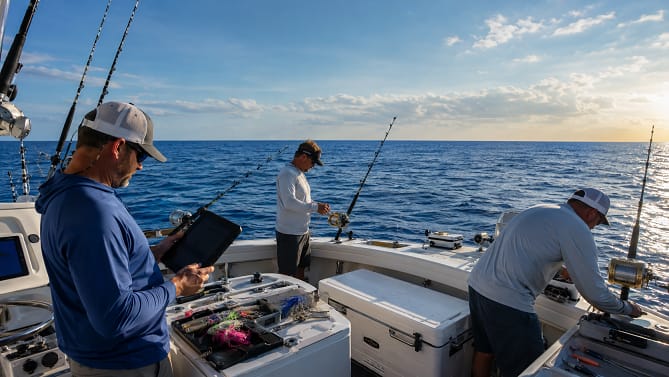
The headline number is meaningful. NOAA says the proposed rule would increase the total annual catch limit from 233,968 pounds whole weight to 314,058 pounds whole weight. It would also raise the commercial and recreational annual catch limits, which is why offshore anglers should pay attention even if they do not personally target tilefish every season.
For recreational anglers, the proposal signals that federal managers believe the latest science can support more allowable harvest. That does not mean unlimited access. It means the fishery may have room for a higher catch limit under the management process.
That distinction matters. Offshore anglers often feel federal rules only tighten. A proposed increase shows that catch limits can move both directions when data supports a change.
How Blueline Tilefish Fits The Offshore Fishing Conversation
Blueline tilefish are not a shallow-water species that casual anglers stumble into from the beach. They are a deepwater target associated with offshore structure, bottom fishing, and federal-water planning. That makes them part of the same broader offshore conversation as snapper, grouper, amberjack, golden tilefish, and other managed reef-associated species.
NOAA’s proposal falls under the South Atlantic snapper-grouper fishery management framework, which covers federal waters off North Carolina, South Carolina, Georgia, and the east coast of Florida. While that geography is not Texas, the management lesson fits Texas Sportsmen readers because federal-water planning is familiar to anyone who follows red snapper, reef fish seasons, offshore reporting, or private recreational access.
Previous Texas Sportsmen coverage of offshore fishing planning made the same point from a Gulf Coast perspective. When anglers move offshore, they enter a system shaped by season dates, bag limits, federal boundaries, catch monitoring, and stock assessments. Blueline tilefish simply gives that system another current example.
That is why this proposal belongs on an outdoor sports site. It shows how management decisions made on paper can eventually shape what happens on the deck of a boat.
Why The Latest Population Assessment Matters
NOAA’s proposed rule is not framed as a political preference or a simple response to angler demand. It is tied to the latest population assessment. That is important because assessments are the bridge between what fishermen see on the water and what managers can legally authorize.
A strong assessment can support a catch-limit increase. A weak assessment, overage, or uncertainty can push limits down. Anglers may disagree with the details, but the process matters because federal fisheries are managed through measurable biological reference points, annual catch limits, accountability measures, and council recommendations.
The Federal Register notice for the proposed rule says NMFS is seeking comment on regulations to implement Abbreviated Framework Amendment 5 under the South Atlantic Snapper-Grouper Fishery Management Plan. If implemented, the action would revise catch levels for blueline tilefish in the South Atlantic exclusive economic zone.
That kind of process may sound technical, but offshore anglers feel it directly. It can determine whether a season stays open longer, whether a closure happens earlier, whether a charter captain can plan trips confidently, and whether a recreational angler sees a realistic chance to target a species legally.
Good data does not remove debate. It gives the debate a foundation.
How The Proposed Limits Would Change The Fishery
NOAA’s July 2026 bulletin says the proposal would increase the total annual catch limit, commercial annual catch limit, and recreational annual catch limit for South Atlantic blueline tilefish. The total ACL change from 233,968 to 314,058 pounds whole weight is the clearest number, but the sector-level increases matter because recreational and commercial participants experience the fishery differently.
Commercial operators need predictable limits because landings, markets, and trip economics depend on quota. Recreational anglers need clear limits because trip planning, bag limits, seasonal closures, and accountability measures shape access. Charter and headboat operators sit in the middle because they serve recreational customers while operating as businesses.
| Proposed Change Area | Why It Matters | Who Watches It Closely |
|---|---|---|
| Total Annual Catch Limit | Sets the overall managed harvest ceiling | Managers, councils, conservation groups |
| Commercial Annual Catch Limit | Shapes seafood supply and trip economics | Commercial vessels, dealers, coastal businesses |
| Recreational Annual Catch Limit | Influences access and accountability measures | Private anglers, charter clients, headboats |
| Public Comment Deadline | Gives stakeholders a voice before final action | Anglers, captains, industry groups, communities |
| Population Assessment Basis | Explains why the limit may move upward | Scientists, managers, fishing organizations |
The table shows why a catch-limit proposal is not just one number. It is a chain of effects that can reach everyone from deep-drop anglers to dockside businesses.
Why Comment Periods Matter More Than Anglers Think
The proposed rule is open for comments until August 12, 2026. That deadline matters because federal comment periods are one of the few formal ways individual anglers and fishing businesses can put experience into the record.
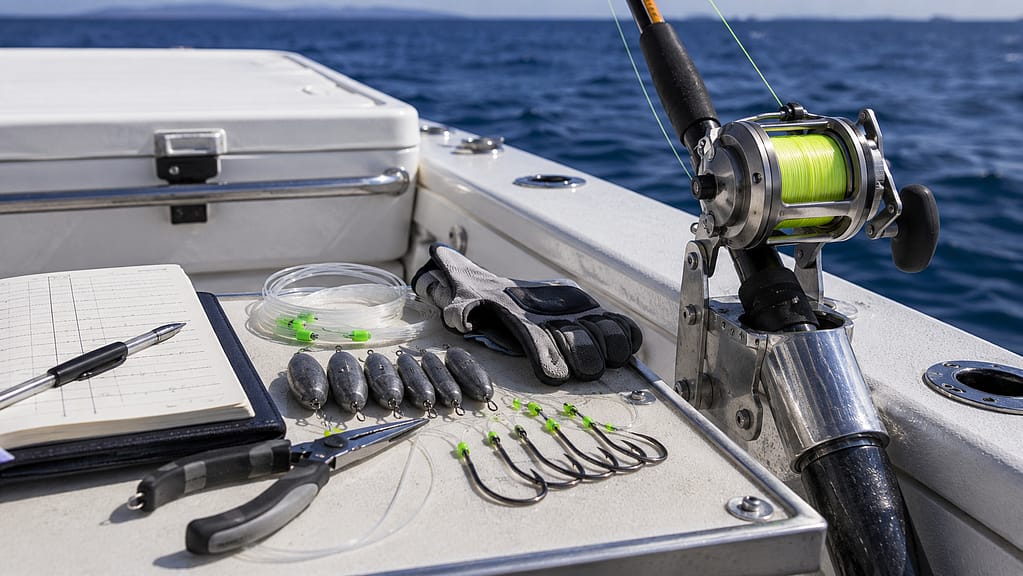
A strong comment does not have to be emotional or long. It can explain how anglers use the fishery, how rule changes affect trip planning, whether the proposed limits seem workable, what safety issues apply to deepwater fishing, and how season clarity affects coastal businesses. Comments can also support the proposal, raise concerns, or ask NOAA to clarify specific management consequences.
NOAA’s fisheries management bulletin page lists the proposed blueline tilefish rule under South Atlantic Fishery Bulletin FB26-038 and identifies the Sustainable Fisheries Division contact as Mary Vara. That level of detail shows this is an active regulatory process, not just background agency news.
For anglers, the broader lesson is simple. Public comment is part of offshore fishing access. If fishermen only talk at the dock after the rule is final, they have missed the official window.
How The 2026 Recreational Season Adds Context
The proposed increase also comes against the backdrop of the 2026 South Atlantic recreational blueline tilefish season. In May 2026, NMFS announced that the recreational season in South Atlantic federal waters opened May 1 and would not close before the fixed seasonal closure beginning September 1 because projected landings were not expected to reach the recreational annual catch limit.
The Federal Register season announcement stated that the recreational sector would remain open from May 1 through August 30, then close on September 1 under the annual closure period that runs through December 31. During the closure, bag and possession limits for blueline tilefish in or from South Atlantic federal waters are zero.
That context matters because it shows how catch limits and seasons work together. A higher recreational ACL could influence future projections, but anglers still have to respect fixed closures, bag limits, possession rules, and accountability measures.
This is where offshore planning becomes disciplined. An angler cannot simply hear “catch-limit increase” and assume every trip is open. They need to know the season, the closure date, the bag limit, the area, and any final rule changes.
Why Offshore Access Depends On Accountability
Offshore anglers often focus on opportunity, but federal fisheries also depend on accountability. Annual catch limits are not symbolic. They exist so managers can track harvest and adjust access when landings approach or exceed allowable levels.
That is why a proposed catch-limit increase should be treated seriously. If implemented, it could create more room in the fishery, but that room comes with responsibility. Anglers still need accurate reporting, legal landings, species identification, and respect for closure periods.
This is also where blueline tilefish connects with the Gulf-wide data conversation. Texas Sportsmen has covered how the disCARD study asks anglers to help close recreational catch-and-release data gaps. The same principle applies offshore across regions: better data supports better decisions.
If anglers want managers to recognize when fish stocks can support more access, they also need to support the data systems that prove it.
How Charter Captains And Deep-Drop Anglers May Read The Proposal
Charter captains and experienced deep-drop anglers may read NOAA’s proposal differently than casual fishermen. For them, tilefish access is tied to customer expectations, fuel costs, offshore weather windows, gear specialization, and species mix. A higher catch limit can matter if it improves confidence around future access.
Deepwater trips are not casual after-work outings. They require offshore-capable boats, electronics, bottom knowledge, weather planning, rigging, fuel, ice, and crew coordination. When federal rules are uncertain, it becomes harder to plan those trips.
That does not mean every captain will automatically favor the proposal without question. Some may want to know how the population assessment was conducted, how the recreational and commercial allocations were calculated, and whether increased limits could affect long-term stability. Others may support the increase because it reflects updated science.
Both responses are part of a healthy management process. The important thing is that stakeholders respond before the comment period closes.
Why Texas Anglers Should Care About A South Atlantic Rule
A South Atlantic blueline tilefish proposal may seem distant from Texas, but it belongs in the same federal fisheries conversation that shapes Gulf red snapper, reef fish, and offshore access. Texas anglers do not need to fish off North Carolina or Florida to learn from the process.
The first lesson is that catch limits are not fixed forever. They can increase when assessments support it.
The second lesson is that public comment matters. Offshore rules are not written only by agencies in isolation. Councils, scientists, stakeholders, and written comments all shape the record.
The third lesson is that federal-water fishing requires planning. Seasons, closures, bag limits, boundaries, and final rules matter as much as tackle and weather.
The fourth lesson is that data can create opportunity. Anglers who want more access should care about the surveys, reporting systems, and assessments that managers use to justify it.
That is why the blueline tilefish proposal is relevant to Texas Sportsmen readers. It is a live example of how federal fishery management can move toward more harvest when the science allows.
What Offshore Anglers Should Watch Next
Offshore anglers should watch three things next. The first is the August 12 comment deadline. Anyone with a stake in the South Atlantic blueline tilefish fishery should review the proposed rule and submit useful feedback before that date.
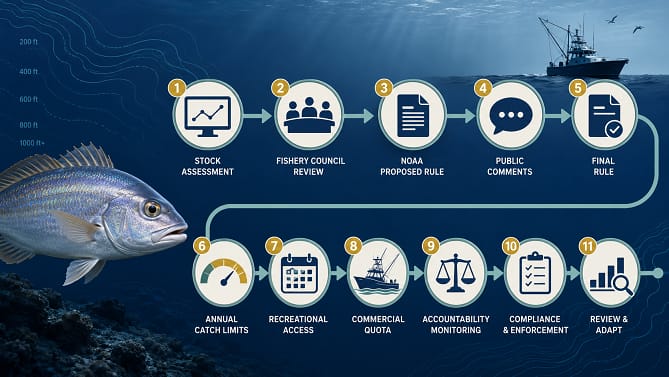
The second is whether NOAA finalizes the proposed limits as written. Proposed rules can change before final implementation, and anglers should not treat the increase as final until NOAA publishes the final rule.
The third is how the revised limits would interact with future recreational season projections. The 2026 recreational season remains shaped by the May 1 opening and September 1 fixed closure, but future seasons could reflect new catch limits and landings data.
For a species like blueline tilefish, the details matter because offshore trips are expensive, specialized, and weather-dependent. Anglers need clear rules before they leave the dock.
NOAA’s proposal is encouraging for those who want more offshore opportunity, but it is also a reminder that access is earned through data, compliance, and public engagement.
Why This Proposal Matters Beyond One Species
NOAA’s proposed blueline tilefish catch-limit increase matters because it shows how science-based management is supposed to work when a population assessment supports more allowable harvest. It gives anglers a chance to see the system moving toward increased access rather than restriction.
That does not mean every offshore fishery is healthy or every rule should loosen. It means management should respond to current data, not old assumptions. When assessments support more harvest, anglers should notice. When assessments call for restraint, they should notice that too.
For Texas Sportsmen readers, the story is a useful offshore planning lesson. Federal fishing opportunity depends on more than bait, fuel, and good weather. It depends on assessments, councils, public comments, annual catch limits, accountability measures, and anglers who understand the rule process before they run offshore.
Blueline tilefish may be a South Atlantic species in this proposal, but the management lesson is national. Offshore access survives when science, compliance, and angler participation move together.