
Texas Fishing License requirements changed before the 2026-27 license year, and anglers age 17 and older now need to plan for identification checks before buying most recreational hunting or fishing licenses. The Texas Parks and Wildlife Commission approved updated proof-of-residency and identification rules on March 26, 2026, and the changes took effect on August 3, 2026, according to the Texas Parks and Wildlife Department’s license ID validation FAQ.
Why Texas Fishing License ID Rules Changed
For anglers, this is not a minor paperwork note tucked behind the tackle counter. It affects the start of a trip, a tournament week, a youth outing, a club fishing day, or a quick run to buy a license before heading to the water. The sports angle is direct: an angler who does not bring the right identification may not be able to complete a purchase as planned.
The updated rules apply to most recreational hunting and fishing licenses and permits. The key threshold is age 17. Anyone 17 or older must be physically present and show valid identification when purchasing most impacted licenses. That changes the old habit some families and fishing partners had of sending one person to pick up licenses for the group.
Texas Fishing License Buyers Must Be Present
The physical-presence rule matters most during busy fishing windows. If a group is preparing for a bass trip, a coastal run, or a community fishing event, each affected buyer should be ready to show identification. A parent can still help organize the trip, a club officer can still remind members about dates, and a captain can still tell the crew what to bring, but the license purchase itself now has a firmer ID step for adults and older teens.
That makes early planning the smart play. Licenses for 2026-27 went on sale on August 15, 2026, and most recreational hunting and fishing licenses are valid from the purchase date through August 31 of the following year. For anglers who fish across late summer and fall, the new requirement was already active before that sales period began.
What Counts As Valid Identification
The research supplied by TPWD defines valid identification as an unexpired state driver’s license or personal identification certificate. Both REAL ID and non-REAL ID versions are accepted, except documents marked “temporary” or “limited term.” That distinction is where some anglers may need extra preparation.
If an ID is marked temporary or limited term, supplemental documentation is required. The research examples include an original birth certificate, U.S. passport or passport card, military ID, and Texas handgun license. Those documents must be presented in person, and online purchases are unavailable in that situation.
Documents To Check Before A Fishing Trip
Before a Texas Fishing License purchase, anglers should check the front of their identification instead of assuming it will pass. The important questions are simple: Is the ID unexpired? Is it a state driver’s license or personal identification certificate? Is it marked temporary or limited term? Does the buyer need secondary documentation?
- Anglers age 17 and older should expect to show valid identification for most recreational license purchases.
- Unexpired state driver’s licenses and personal identification certificates are the base documents listed in the research.
- Temporary or limited-term IDs trigger extra document requirements and must be handled in person.
- Fishing licenses are not required for those under 17, based on the research notes.
- Youth hunting licenses for those under 17 and lifetime license tags for people who already bought lifetime licenses are listed as exceptions.
This is practical fishing preparation, not red tape for its own sake. The same way a bass angler checks line, batteries, drain plugs, and weather before launch, the license step now deserves a spot on the pre-trip checklist.
How Residency Status Affects The License Counter
Texas residents are not the only ones affected. Non-Texas residents have extra requirements tied to whether their home state issues REAL ID compliant identification. Residents of some states must provide a REAL ID compliant driver’s license or state ID. Others may be able to use non-REAL ID documents with secondary proof. Foreign residents must present a valid passport plus immigration documentation.
For fishing communities, that matters because Texas draws anglers from nearby states, winter visitors, tournament travelers, and family guests. A visiting angler who plans to fish a reservoir, bay, pier, or urban park should not assume that the same document used at home will be enough at a Texas license counter.
The rule change was codified under 31 TAC § 55.1, which sets out four compliance categories: REAL ID compliant documents, non-REAL ID documents from certain states, combinations of non-REAL ID and secondary documents, and foreign passport plus immigration documents, according to the Texas Secretary of State’s adopted rule filing for Title 31 adopted rules.
Why Club Leaders And Event Hosts Should Care
For bass clubs, school-support groups, church outings, and neighborhood fishing days, the license conversation now needs to happen before participants arrive at a ramp or shoreline. That is especially true for groups mixing Texas residents, out-of-state visitors, and older teens.
A tournament director or volunteer host does not need to interpret every document category. The safer role is to point anglers to the official requirements and remind them that anyone age 17 or older should be prepared to appear in person with valid ID if needed. That keeps the focus on fishing while lowering the chance that a participant misses a day over paperwork.
Urban anglers face similar planning needs. Public water access works best when rules are clear before people arrive, which is why related coverage of San Antonio public fishing rules fits the same community-first mindset: good information helps more people fish legally and confidently.
What The Changes Mean For Fishing Families
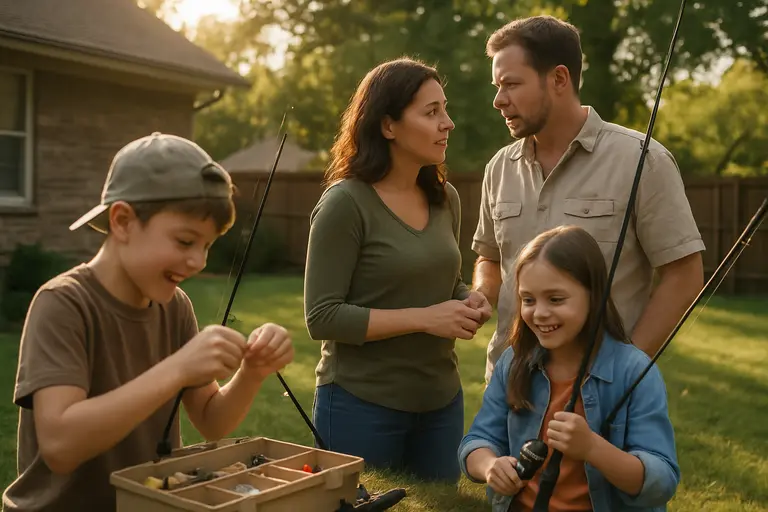
The age line is one of the most useful parts of the new setup for families to understand. Fishing licenses are not required for those under 17, based on the research notes, while individuals age 17 and older fall under the new identification process for most impacted recreational licenses.
That means a family with younger children may not need fishing licenses for those kids, but an older teen who has reached 17 should be treated like an adult buyer for planning purposes. If that teen is joining a bass trip or a coastal outing, the ID step should be handled before the group is trying to launch at daylight.
The exception list also matters for families with long-term license holders. Lifetime license tags for people who already bought a lifetime license are excluded from the change, according to the research. The youth hunting license for those under 17 is also listed as an exception, though fishing license requirements are different because those under 17 do not need fishing licenses.
There is also a useful document-format point for households that keep records in more than one place. The amendments eliminated the requirement for notarized proof of residency and added allowance for documents to be presented in paper or electronic format wherever appropriate, based on the research notes. Anglers should still make sure the specific document they plan to use fits the official category for their situation.
Community Planning Around Texas Fishing License Checks
The new Texas Fishing License identification requirements create a simple community lesson: the best fishing events start before anyone reaches the water. That is true for bass clubs running signups, parents introducing kids to bank fishing, coastal anglers meeting visiting relatives, and local volunteers helping new participants understand outdoor rules.
At a practical level, organizers can build reminders into registration notes, group texts, and pre-event emails. The message does not need to be complicated. If you are 17 or older, bring valid identification. If your ID is temporary or limited term, review the supplemental document requirements before trying to buy. If you are from outside Texas, check the residency and REAL ID rules tied to your home state or status.
That kind of communication keeps the sport accessible. It also respects the people working license counters, the volunteers running events, and the anglers trying to spend their limited free time on the water instead of sorting out avoidable document issues.
Local recreation networks can help by repeating clear rules across different community spaces. Readers who follow outdoor sports across more than fishing may also recognize Copeland Hills Golf Club, a related site in the same network, where community recreation and local participation are part of the same wider conversation.
Texas Fishing License Rules For Better Trip Prep
Texas Fishing License planning now belongs beside every other serious pre-trip check. Rods, reels, tackle, batteries, life jackets, weather, ramps, and fish-care tools all matter. So does the document that lets an angler buy the right license without delay.
The confirmed rule changes are already in effect as of September 1, 2026. The March 26 approval date, August 3 effective date, August 15 license sales date, age 17 threshold, valid-ID definition, temporary and limited-term document rules, residency categories, and stated exceptions all give anglers enough information to prepare without guesswork.
For the Texas fishing community, the takeaway is steady and useful: check documents early, help newcomers understand the rules, and make license preparation part of the rhythm of a good fishing day. The more that anglers handle before launch, the more time they can spend reading water, finding bait, teaching young anglers, and competing the right way.