
For years, most Texas anglers understood redfish movement through experience alone—watching seasonal tides, tracking bait migrations, and learning how weather patterns shifted fish across the bays. That instinct-driven knowledge still matters, but in 2026, science is adding a much deeper layer to the conversation.
Across the Texas coast, redfish tagging programs are expanding, and the data coming from those projects is beginning to reshape how biologists, tournament anglers, and everyday fishermen understand coastal fish movement.
What once relied heavily on anecdotal observations is now being backed by measurable tracking information. And the results are revealing something important: Texas redfish are often more mobile, adaptable, and environmentally responsive than many anglers previously believed.
How Redfish Tagging Works Along The Texas Coast
Modern redfish tagging programs use several different approaches depending on the goals of the study.
.
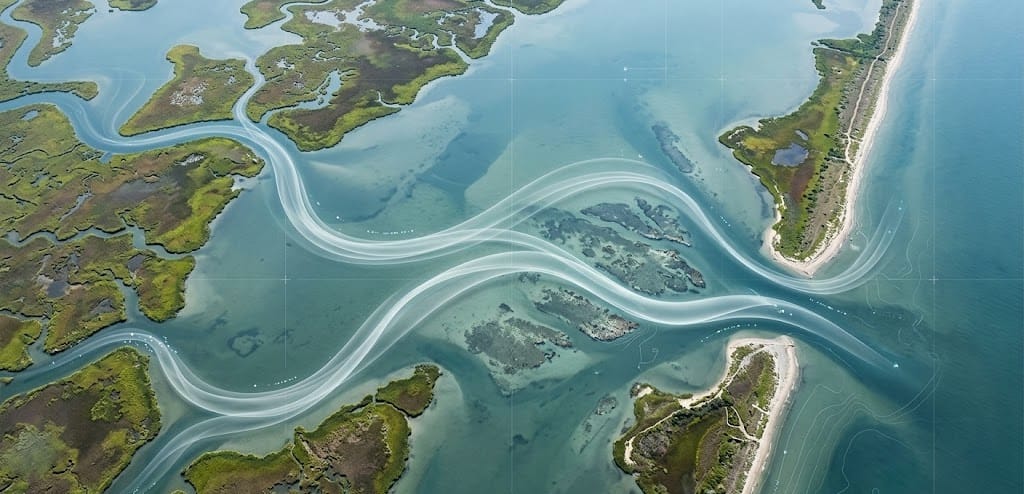
Some projects rely on traditional external tags that allow fish to be identified if recaptured later by anglers or researchers. Others use more advanced acoustic telemetry systems, where fish are fitted with transmitters that interact with underwater receiver stations positioned across major bay systems.
The goal is not simply to count fish. It’s to understand:
- Migration routes between bays and passes
- Seasonal movement patterns
- Habitat preferences under changing environmental conditions
- Survival and post-release behavior
In recent years, projects tied to tournament organizations and fisheries science groups have accelerated this research. During the Bassmaster Redfish Cup Championship in Port Aransas, for example, select redfish were tagged in partnership with the Harte Research Institute’s Center for Sportfish Science and Conservation to improve long-term data collection on coastal movement patterns.
According to coverage from Bassmaster’s redfish tagging research update, researchers are using these programs to better understand how redfish interact with changing coastal environments and fishing pressure.
What The Early Data Is Revealing
One of the most significant discoveries from tagging work is that redfish movement is often less predictable than previously assumed.
Some fish remain highly localized, staying within relatively small home ranges for extended periods. Others travel surprisingly long distances across interconnected bay systems, especially during seasonal transitions or environmental disruptions.
Researchers are seeing movement influenced by:
- Salinity changes after major rainfall events
- Water temperature swings during seasonal fronts
- Habitat availability tied to oyster reefs and grass beds
- Increased fishing and boating pressure
This variability helps explain why patterns that worked consistently years ago can suddenly collapse under changing conditions.
For anglers, it reinforces the idea that understanding habitat and environmental trends may matter more than relying solely on historical spots.
Why Tournament Anglers Are Paying Close Attention
Competitive anglers are particularly interested in tagging data because it directly affects strategy.
In tournaments, success often depends on predicting where fish will be—not just where they were yesterday. Tagging projects are revealing how quickly redfish can relocate after:
- Heavy fishing pressure
- Sudden freshwater inflows
- Rapid weather changes
That information is changing preparation methods. Instead of locking into a small number of “guaranteed” locations, many elite teams are now building broader, more flexible game plans.
This shift aligns closely with patterns discussed in the Texas tournament pressure expansion, where increased event density is already forcing anglers to adapt faster than in previous years.
The more researchers learn about redfish mobility, the more important adaptability becomes in competition.
Habitat Quality Is Emerging As The Key Variable
Another major takeaway from tagging projects is the importance of habitat quality in determining movement behavior.
Healthy ecosystems tend to hold fish longer. Areas with strong oyster reefs, productive grass beds, and stable salinity often show more consistent redfish residency patterns. Degraded environments, on the other hand, tend to produce more transient behavior.
This has become especially relevant in bays impacted by habitat loss or restoration projects.
| Habitat Condition | Observed Redfish Behavior |
|---|---|
| Healthy oyster reefs | Longer holding periods, predictable feeding |
| Stable grass flats | Consistent seasonal use |
| Disturbed or pressured zones | Increased roaming and relocation |
| Freshwater-influenced systems | Rapid movement shifts after runoff events |
The relationship between habitat and movement is one reason tagging science is becoming increasingly important for coastal management.
What Tagging Projects Mean For Conservation
Beyond fishing strategy, tagging programs are strengthening conservation efforts across Texas.
Accurate movement data helps biologists:
- Evaluate the effectiveness of current regulations
- Understand post-release survival rates
- Identify critical nursery and migration zones
- Improve long-term fisheries planning
This becomes especially important as Texas faces growing tournament participation, habitat pressure, and environmental variability.
Programs like these also support broader management discussions connected to the federal gill-net debate, where alternative data collection methods are becoming increasingly valuable.
If traditional sampling systems face limitations, tagging projects may become even more important in maintaining reliable fisheries science.
The Role Of Anglers In Modern Fisheries Science
One of the most interesting aspects of modern tagging programs is how much they rely on angler participation.
Many projects encourage fishermen to report tagged fish, submit catch details, and share location data. In some cases, tournament anglers are directly involved in helping researchers deploy or recover tagged redfish.
This collaboration creates a stronger connection between science and the fishing community. Instead of management happening separately from anglers, the two are becoming increasingly intertwined.
That matters because local knowledge still plays a major role in interpreting fish behavior. Tagging data provides the framework, but angler experience often helps explain why certain movement patterns occur.
Technology Is Accelerating What Researchers Can Learn
The rapid advancement of marine tracking technology is another reason tagging programs are expanding so quickly.
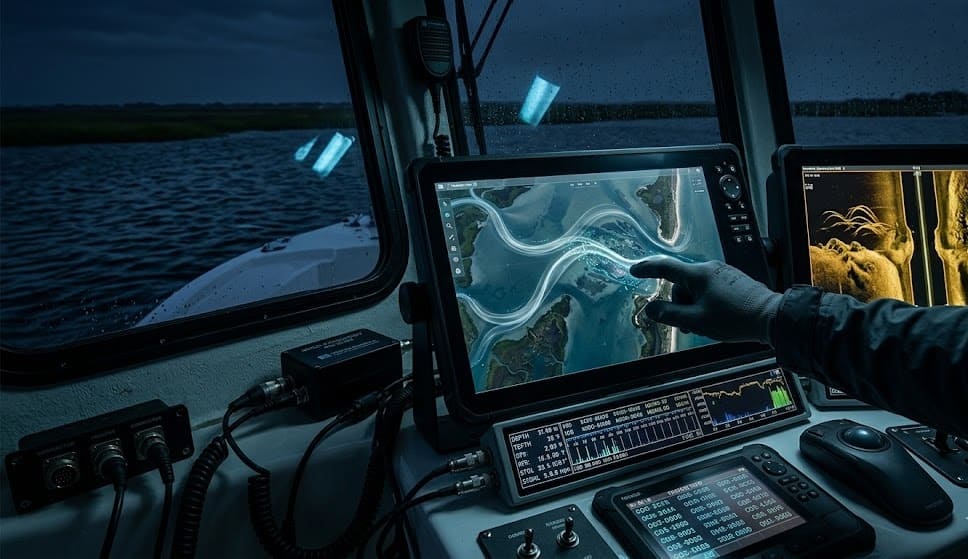
Modern acoustic telemetry systems can now:
- Monitor fish movement continuously for long periods
- Detect travel between distant receiver stations
- Track responses to environmental events in near real time
These systems generate far more detailed information than older tagging methods ever could.
As costs decline and networks expand, researchers are building increasingly sophisticated pictures of how redfish interact with Texas bay systems throughout the year.
For anglers, that means the understanding of coastal fish movement is likely to evolve dramatically over the next decade.
Why This Changes The Way Texas Anglers Think About Redfish
Perhaps the biggest impact of tagging projects is psychological.
For generations, many anglers viewed redfish as highly patternable fish tied closely to familiar locations. The new data suggests something more dynamic—a species constantly adjusting to habitat, pressure, weather, and environmental change.
That doesn’t make traditional knowledge obsolete. It makes it more nuanced.
Successful anglers in 2026 are increasingly blending:
- Historical local knowledge
- Real-time environmental observation
- Modern fisheries science
The result is a more adaptive style of fishing, where flexibility matters just as much as experience.
The Future Of Redfish Research On The Texas Coast
Tagging projects are still in relatively early stages, but their influence is already growing.
As more fish are tracked across additional bay systems, researchers will gain a clearer understanding of:
- Long-term migration corridors
- Pressure-driven movement behavior
- Habitat dependency patterns
- Seasonal redistribution trends
That information could shape everything from conservation policy to tournament strategy.
For Texas anglers, the takeaway is becoming clear: the redfish fishery is more interconnected and more dynamic than it may appear from the surface.
And thanks to modern tagging programs, the coast is slowly giving up some of its biggest secrets—one fish at a time.