
One of the biggest mistakes beginners make in bass fishing is casting randomly and hoping for the best. While bass can technically be anywhere in a body of water, they are rarely scattered without purpose. These fish are strategic predators, and their positioning is heavily influenced by food, shelter, temperature, and light conditions.
Knowing where to cast is not just about accuracy it is about understanding bass behavior. When you place your lure in high-probability zones, you significantly increase your chances of getting a strike. In fact, experienced anglers often say that location matters more than lure selection.
Bass prefer areas where they can conserve energy while waiting to ambush prey. This means your casting decisions should focus on places that naturally attract baitfish and provide cover.
Targeting Structure: The Foundation of Smart Casting
If there is one principle every angler should remember, it is this: bass relate to structure. Structure refers to anything that breaks the monotony of the underwater environment and provides shelter or ambush opportunities.
Common examples include fallen trees, submerged rocks, weed beds, and even man-made objects. These areas attract smaller fish, which in turn draw bass.
When casting toward structure, precision is key. Instead of throwing your lure directly on top of the structure, aim slightly beyond it. This allows your bait to move naturally into the strike zone, mimicking real prey behavior. Retrieving your lure through or alongside the structure often triggers aggressive reactions from bass hiding nearby.
Another important detail is to vary your casting angles. Approaching the same structure from different directions can make your presentation appear more natural and less predictable.
Fishing the Shoreline: A Consistent Hotspot
Shorelines are among the most productive areas for bass fishing, especially for beginners. These zones are rich in food sources and often provide excellent cover, making them ideal feeding grounds.
Rather than casting straight out into open water, a more effective technique is to cast parallel to the shoreline. This keeps your lure in the strike zone for a longer period, increasing the likelihood of attracting a bass.
Look for irregularities along the bank, such as patches of grass, small inlets, or changes in terrain. These subtle differences often hold fish because they create natural ambush points.
In warmer climates like Costa Rica, bass frequently patrol shallow shoreline areas throughout much of the year. Early mornings and late afternoons are particularly productive times to target these zones.
Casting Around Docks and Overhanging Cover
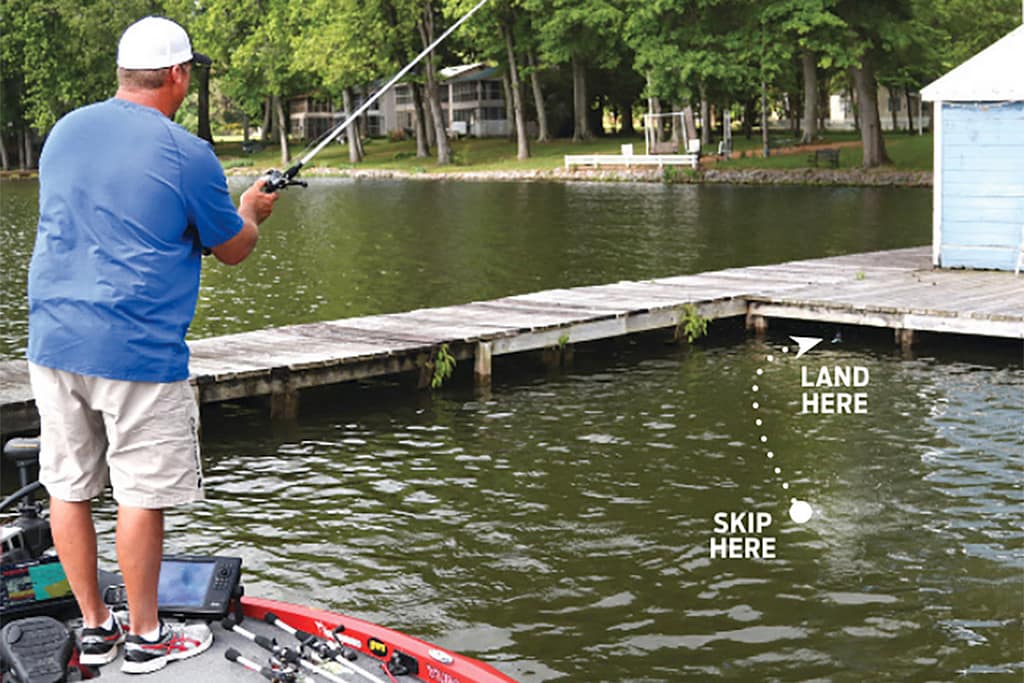
Docks and overhanging trees are prime locations for bass, especially during sunny conditions. These areas provide shade, which helps regulate water temperature and attracts baitfish seeking refuge from predators.
Bass often position themselves in the darkest parts of these shaded zones, waiting to ambush unsuspecting prey. This makes them ideal targets for accurate casting.
To effectively fish these areas, try to get your lure as close to the cover as possible. Techniques like skipping a lure under a dock can be extremely effective, although they may require some practice to master competitive Florida freshwater fishing.
Patience is crucial when working these spots. Allow your lure to settle naturally before retrieving it, as bass may strike during the initial drop.
Exploring Drop-Offs and Depth Changes
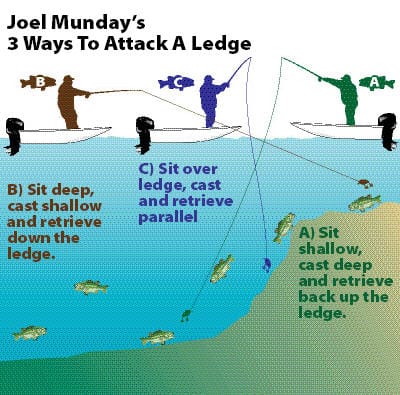
While shallow areas are often easier to fish, deeper zones should not be overlooked. Drop-offs, ledges, and sudden changes in depth are magnets for bass, particularly during midday or seasonal transitions.
These areas act as highways for fish, allowing them to move between shallow feeding grounds and deeper resting zones. Casting along these transitions can be highly productive, especially when bass are less active.
When targeting drop-offs, it is important to maintain contact with the bottom. This helps you detect subtle bites and ensures your lure stays within the strike zone. Slower retrieval techniques tend to work best in deeper water, as bass are often less aggressive in these environments.
Making the Most of Shade and Light Conditions
Light plays a major role in bass positioning. On bright, sunny days, bass tend to retreat into shaded areas or deeper water to avoid direct sunlight. Conversely, low-light conditions encourage them to move into more open areas to hunt.
When casting, always be aware of where the shadows fall. Areas shaded by trees, docks, or even natural terrain can hold a surprising number of fish.
Casting into these shaded pockets and retrieving your lure back into the light can create a natural transition that entices strikes. This approach mimics the movement of prey entering or leaving cover, which often triggers a predatory response.
Angles and Accuracy: The Hidden Advantage
Even when fishing the right location, the angle of your cast can make a significant difference. Bass are highly aware of their surroundings, and an unnatural presentation can deter them from striking.
Instead of repeatedly casting from the same position, try adjusting your angle. A slight change in direction can make your lure appear more realistic and less threatening.
Accuracy is equally important. Placing your lure precisely where bass are likely to be hiding such as tight against structure or within narrow openings can dramatically improve your results.
Common Mistakes to Avoid When Choosing Where to Cast
Many anglers unknowingly reduce their chances of success by overlooking key details. One common error is focusing too much on open water while ignoring high-probability areas like structure and cover.
Another mistake is retrieving the lure too quickly through productive zones. Bass often need a moment to react, so slowing down your presentation can make a big difference.
Additionally, failing to observe environmental cues such as water clarity, wind direction, and temperature can lead to poor casting decisions. Paying attention to these factors helps you adapt your strategy and stay one step ahead.
Final Thoughts: Turning Knowledge into Consistent Catches
Mastering where to cast is one of the most valuable skills in bass fishing. By focusing on structure, shorelines, shaded areas, and depth changes, you can transform your approach from random casting to a more strategic and effective method.
Over time, you will begin to recognize patterns and develop an instinct for identifying productive spots. This combination of knowledge and experience is what separates casual anglers from consistently successful ones.
Ultimately, every cast should have a purpose. When you understand why bass choose certain locations, you are no longer just fishing you are making informed decisions that lead to better results on the water.