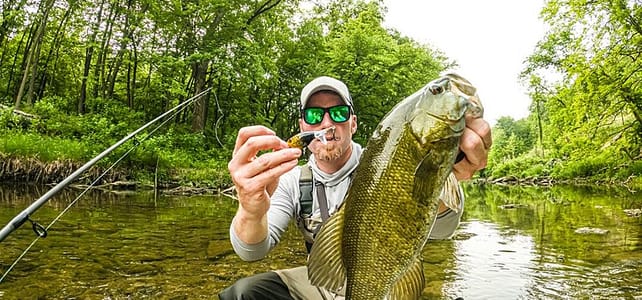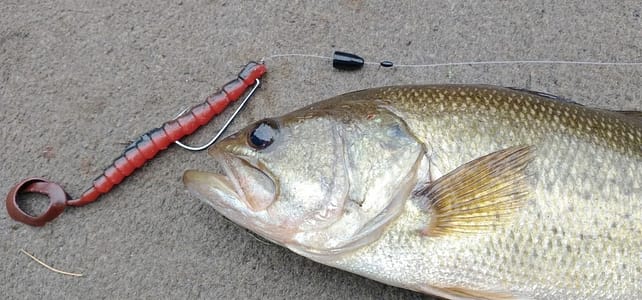

When water temperatures dip into the 30s, bass behavior changes dramatically. Unlike the aggressive feeding patterns seen in warmer months, bass become lethargic, conserving energy to survive harsh conditions. Their metabolism slows, meaning they eat less frequently and are far less likely to chase fast-moving prey.
In these conditions, bass often position themselves in deeper, more stable water where temperatures fluctuate less. They may also gather near … Read the rest